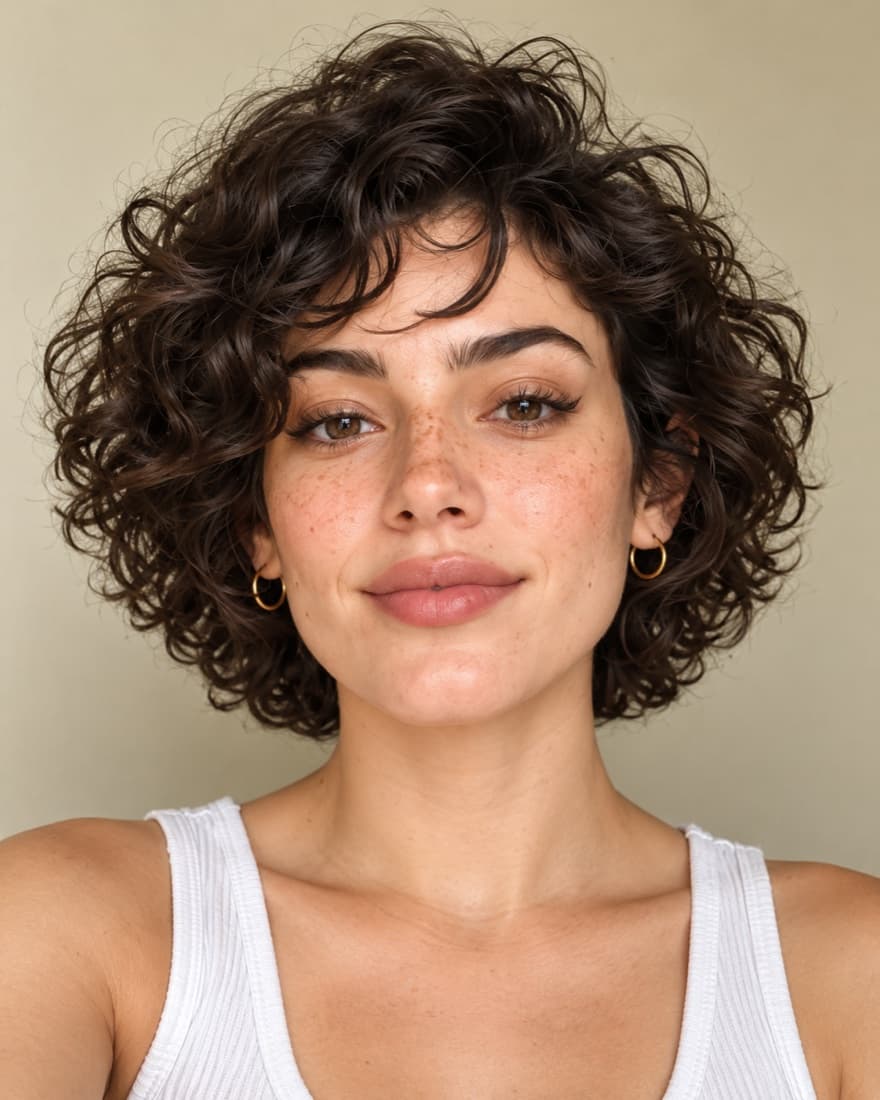
How attractive am I, really?
Nobody can give you one true number, because attractiveness is partly in your face and partly in the person looking, the situation and the moment. Research does point to recurring patterns: faces close to the population average, faces with fewer obvious asymmetries, signs of good health such as clear skin and bright eyes, and above all a warm, genuine expression tend to be rated higher. Grooming, style, posture and confidence then shift first impressions a lot. A photo test can measure only the structural part. FaceTwin’s free test measures symmetry, golden-ratio proportions, facial thirds, canthal tilt and jaw angle and turns them into a 1–10 proportions score; across 1,196 public figures the median is 7.2. Treat your score as a description of one photo — useful for curiosity, never a verdict on your worth.
- Averageness, symmetry, health, expression
- Grooming and context matter a lot
- Median 7.2 across 1,196 public figures
- Score = one photo, not your worth
Go further
What research says drives perceived attractiveness
Decades of studies on how people rate faces keep finding the same handful of factors. None of them is a single feature, and none of them is fixed by a ratio.
Averageness
Faces whose proportions are close to the average of a population tend to be rated as more attractive than faces with extreme features. This is one of the most repeated findings in face research, and it is why blended “average” faces often look surprisingly good.
Symmetry
Fewer obvious left–right differences are generally preferred, though the effect is modest and perfect symmetry looks artificial. Small asymmetries are universal.
Health cues
Even skin tone, clear skin, bright eyes and a rested look are read quickly as signs of health and vitality. These are among the cues most affected by sleep, hydration and skincare.
Expression
A genuine smile and relaxed, engaged eyes change ratings more than most structural features. The same face can be rated very differently neutral versus smiling.
Grooming and style
Haircut, facial hair, brows, glasses, makeup and clothes shape a first impression, and they are the factors you can change today.
Context
Who is looking, their culture and age, what they find familiar, the setting and even the photos shown before yours all move ratings. Attraction in real life also includes voice, movement, humour and warmth — things a still image cannot capture.
What a photo test can and can’t answer
| A photo test can measure | A photo test can’t measure |
|---|---|
| Symmetry of landmark pairs | How your face moves when you talk and laugh |
| Proportions and facial thirds | Skin, hair and eye colour in real light |
| Eye tilt and jaw angle | Voice, warmth, humour and confidence |
| Face shape | Who is looking and what they like |
| How your numbers compare with a reference group | How you are perceived in person |
That is why FaceTwin calls its result a proportions score rather than an attractiveness score in the strict sense. It is a precise, explainable description of the structure in one photo — which is one input into how attractive people find you, and usually not the biggest one.
A self-check list of what you control
If the honest question behind “how attractive am I?” is “what can I do?”, the answer is: quite a lot, and almost none of it involves your bone structure.
- Haircut: does it suit your face shape and is it maintained? The face shape detector suggests cuts for your shape.
- Brows and facial hair: tidy, shaped to frame your eyes and jaw.
- Skin: a simple routine, sunscreen and enough sleep do more than any single product.
- Glasses: frames that contrast with your face shape balance your proportions.
- Teeth and smile: clean, and used — a real smile is the strongest single cue.
- Posture: head up, shoulders back; it changes how your jaw and neck look.
- Clothes: fit matters more than price; colours that suit your skin brighten the face.
- Energy: being rested, hydrated and active shows in your skin and eyes.
How to read your score
If you take the free test, here is how to interpret the number sensibly. The scale is calibrated on 1,196 frontal photos of public figures, so it compares you with people who are photographed professionally — a demanding reference group.
| Score | What it means |
|---|---|
| Below 6.4 | Bottom tenth of the reference set — proportions that depart from textbook ideals, common in distinctive, memorable faces |
| 6.4–7.9 | The middle 80%; median 7.2 |
| 8.0 and above | Top tenth of the reference set |
Look at the six insights rather than the headline. A lower score usually comes from one or two measurements — often symmetry or thirds affected by head angle or expression — and you can see which on the overlay. Then take two more photos: your real result is the range.
Keep it in perspective
Asking how attractive you are is completely normal. Wanting a number is normal too. But a geometric score describes a photo, not a person, and people who love, like and are attracted to you are responding to far more than proportions. If a result makes you curious, use it as a starting point for style ideas. If it makes you anxious, step away — and if worries about your looks take over your day, talking to a doctor or counsellor is a strong, sensible step.
FaceTwin is for adults analysing their own photo, for entertainment. Please don’t use it to rate anyone else.
Frequently asked questions
How can I find out how attractive I am?
No test can answer that completely, because attraction depends on the viewer and on things a photo cannot see. A face test can measure your proportions; FaceTwin does this free above.
What makes a face attractive?
Research consistently points to averageness, symmetry, signs of health and a warm expression, with grooming, style and context shifting impressions a lot.
Is a 7 out of 10 good?
On FaceTwin’s scale, yes — the median of 1,196 public figures is 7.2, so a 7 is typical even among professionally photographed faces.
Why do I look different in every photo?
Lens distance, lighting, angle and expression change how proportions appear. That is why the test should be read as a range across several photos.
Is my photo uploaded?
Not for local lookalikes or face analysis: the model runs in your browser, so your selfie, landmarks and descriptor stay on your device. AI portraits, including the first free one, and full reports send your photo through our server to the AI provider after sign-in and separate upload consent. Reports also send your numeric measurements. FaceTwin does not save the original photo; it is discarded from request memory after processing.
Can I become more attractive?
Yes, in the ways that matter most: grooming, a haircut that suits your face shape, skin care, sleep, posture, clothes that fit and a relaxed smile.
Does the test rate my worth?
No. It measures geometry in one photo for entertainment. It says nothing about who you are or how others value you.
More from the same selfie
Last updated 2026-10-08. FaceTwin is for entertainment and is not identity recognition, medical or cosmetic advice.