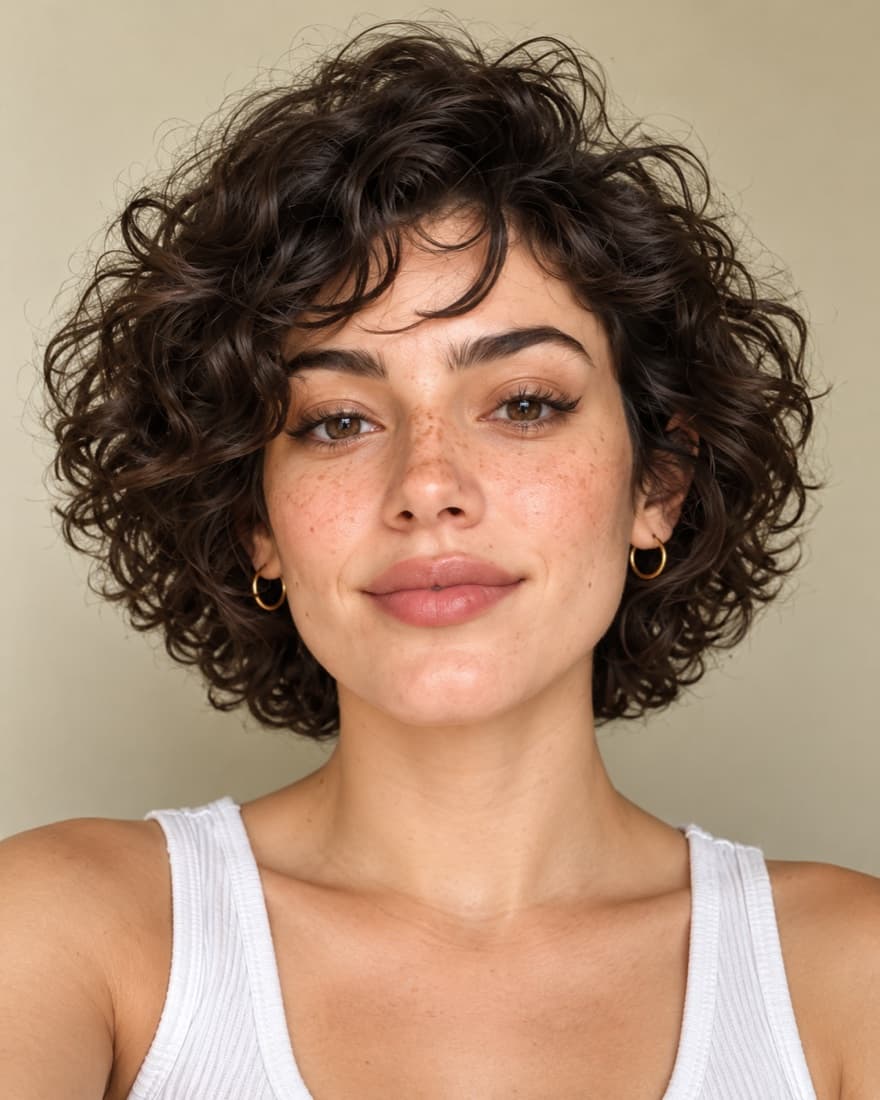
Can a test tell me if I’m pretty?
A test can measure your facial proportions, but it cannot decide whether you are pretty — that depends on expression, skin, hair, style, voice and the person looking. The FaceTwin face test places 68 landmarks on your selfie and measures symmetry, golden-ratio proportions, facial thirds, canthal tilt, jaw angle and face shape, then turns them into a 1–10 proportions score with an explanation of each part. For context: across 1,196 frontal photos of public figures the median score is 7.2 and median symmetry is 79%, so very few faces — even famous ones — are close to textbook proportions. Use the result as a description of your features and of the photo you took, not a verdict on you. Everything runs in your browser and nothing is uploaded.
- Measures 6 facial proportions
- Median 7.2 / 10 across 1,196 public figures
- Only 17% have 90%+ symmetry
- Free, private, no sign-up
What makes a face look pretty?
Research on facial attractiveness keeps returning to a few patterns that people notice quickly and mostly without thinking: how symmetric a face is, how average and balanced its proportions are, signs of health such as clear skin and bright eyes, and expression — a genuine smile changes ratings more than almost any feature. On top of that sit things that are entirely cultural and personal: hairstyles, makeup, fashion and what the people around you find beautiful.
A photo test can measure the first group, geometry, and nothing else. That is why FaceTwin is explicit about what it measures and why it never pretends to know whether you are pretty.
What this test measures
| Feature | What we look at | What’s typical (1,196 faces) |
|---|---|---|
| Symmetry | 26 left/right landmark pairs mirrored across your face | Median 79% |
| Proportions | Face length vs width and lower-face ratios compared with the golden ratio | Median length/width 1.45 |
| Facial thirds | Forehead-to-nose vs nose-to-chin balance | Median 75% balance |
| Eye tilt | Angle from inner to outer eye corner (canthal tilt) | 70% neutral |
| Jawline | Angle at the corners of your jaw | Median 146° |
| Face shape | Oval, round, square, heart, oblong or diamond | 52% oval |
Each feature gets a short explanation in plain English, and you can switch on the landmark overlay to see exactly which points were measured on your photo. The weighted result is a 1–10 proportions score and a percentile compared with the reference faces.
What no face test can see
- Your expression and how your face moves when you talk and laugh.
- Your skin, hair, eyes and colouring in real light.
- Your style: haircut, glasses, makeup, grooming and clothes.
- Your voice, warmth, humour and confidence — the things people remember.
- Who is looking: attraction differs enormously between people and cultures.
Studies of real first impressions find that people rated as attractive in person are often rated quite differently from a single still photo. A score is a description of one picture.
How to look your best in photos
Most people who ask “am I pretty?” are really asking why they look worse in photos than in the mirror. Usually it is the camera, not the face. Phone selfies at arm’s length widen the nose and narrow the face; overhead lights cast shadows under the eyes; looking down at the phone softens the jaw. Small changes make a big difference:
- Hold the camera at or slightly above eye level and further away, then crop — or use the 2× lens.
- Face a window for soft, even light; avoid overhead bulbs.
- Push your chin slightly forward and down to define the jawline.
- Relax your eyes and think of something funny for a natural smile.
- Try both sides — most people have a side they prefer, often their more symmetric one.
Your face shape also tells you which haircuts and glasses frames will balance your features; the face shape detector shows suggestions for each shape.
If you’re asking because you feel insecure
It is very common to look at your own face and only see flaws — your brain is more critical of your face than anyone else’s, and you see it mirrored, which looks subtly “wrong” to you. If a score lifts your mood, enjoy it; if it makes you feel worse, close the tab, because it genuinely does not measure your worth. And if worries about how you look take up a lot of your day or stop you from doing things, talking to a doctor or counsellor can really help.
FaceTwin is for adults analysing their own photo. Please don’t use it to rate other people.
Frequently asked questions
How do I know if I’m pretty?
No test can decide that. FaceTwin can measure your facial proportions and explain them, but whether someone finds you pretty depends on your expression, style, personality and who is looking.
Is there an accurate “am I pretty” test?
The measurements are precise for the photo you upload, but prettiness is not one number. Lighting, lens distance and expression change the result, so compare a few photos and read the explanations.
Why do I look worse in photos than in the mirror?
Close-up phone lenses distort proportions, overhead light adds shadows, and you are used to your mirrored face. Shoot from eye level, further away, facing a window.
What is a good score?
The median across 1,196 public figures is 7.2 out of 10. A lower score only means your face departs more from textbook proportions — which many striking faces do.
Is my photo uploaded?
Not for the free results. The face model runs inside your browser, so your selfie, its landmarks and its face descriptor never leave your device. Only if you choose a paid portrait or report do we upload the photo once, after a separate consent, and delete it right after generation.
Is the test free?
Yes. The score, all six measurements and the landmark overlay are free with no account.
Can I test a friend’s photo?
Please don’t. FaceTwin is for adults analysing their own photo, never for rating other people.
More from the same selfie
Last updated 2026-10-07. FaceTwin is for entertainment and is not identity recognition, medical or cosmetic advice.